
Territorial Tourism Hub of the Santiago Metropolitan Region
Discover

Food & Drink

Chilean cuisine and the world's cuisines that settled in Santiago

All neighborhoods Metro L1, L2, L3 and L5 · everything is under half an hour from downtown2 routes to the destinationFrom US$ 127
How to get there with us

Routes with international cuisine

Regular and private departures from the catalog that explore the destination, with transport from Santiago.

Dinner Show – BalihaiFood and ShowsSantiago

Dinner Show – Balihai

Dinner and a show of traditional Chilean dances at the only Polynesian restaurant in Latin America.

Afternoon / evening · 3 to 4 hrs Thu to Sat
Adult fromUS$ 127
Amor & Pasta – Pasta Workshop and DinnerFood and ShowsSantiago

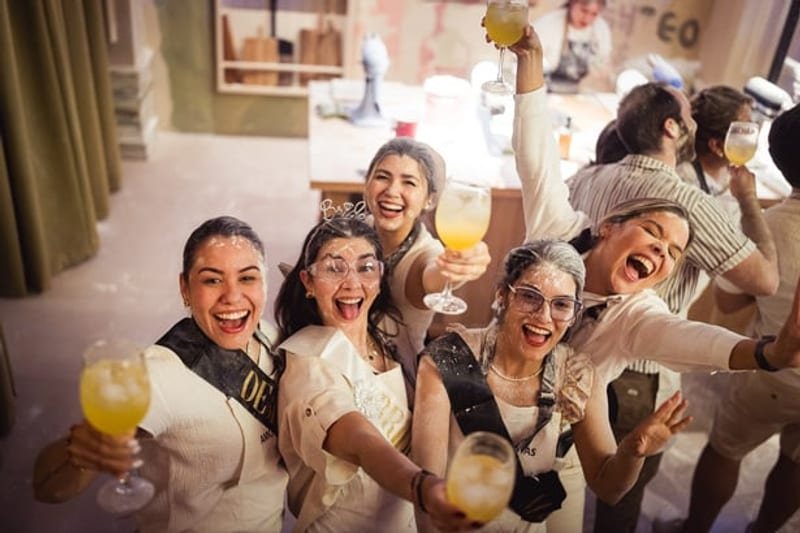
Amor & Pasta – Pasta Workshop and Dinner

Put on your apron: hands-on fresh pasta workshop and a 6-course dinner with selected wines at the Amor y Pasta factory.

Afternoon / evening · 5 to 6 hrs Thu to Sat
Adult fromUS$ 136
History

History of food in Santiago

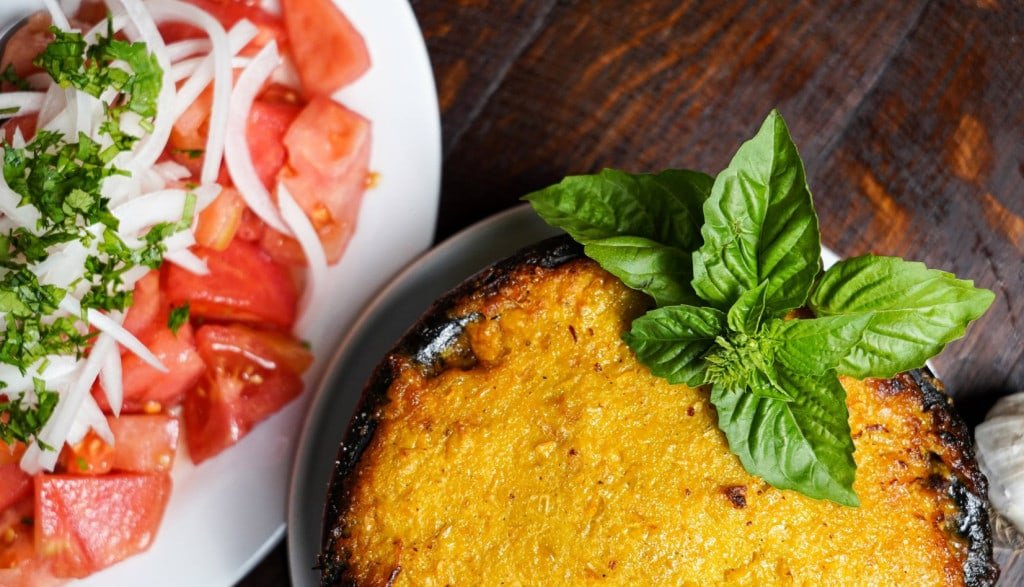
Chilean cuisine is born from the meeting of the indigenous peoples' pantry and the one the Spaniards brought in the 16th century. From the Mapuche and Andean side come corn, potato, beans, squash, chili and merkén; from the European side, wheat, beef, pork, onion, the vine and the olive. From that crossing come the dishes that feel most our own today: cazuela, pastel de choclo, humitas, porotos granados and the pino empanada.

Santiago is where that cuisine became urban. Around the Mercado Central, opened in 1872, and la Vega grew the cocinerías and picadas that served caldillo, charquicán and plateada for generations; and in the cafés and soda fountains of downtown the completo, the chacarero and the barros luco were invented, sandwiches that exist nowhere else in the world.

The cuisines of those who arrived kept joining that table. The 19th-century European migration —Italian, Spanish, German and French— left Sunday pasta, kuchen and the pastries of the confectioneries; in the early 20th century the Palestinian, Syrian and Lebanese families of Patronato brought kibbe and Arab empanadas, and decades later the same neighborhood welcomed the Korean community.

Since the 1990s Latin American migration changed the map again: Peruvian cooking went from the cocinerías of la Vega to almost every neighborhood, Barrio Meiggs consolidated as the Chinese hub and in the last decade Venezuelan, Colombian, Ecuadorian, Bolivian and Haitian food settled in downtown, in Independencia and in the student neighborhoods. In parallel, Lastarria, Bellas Artes, Barrio Italia and Bellavista added bistros, Japanese, Indian and Southeast Asian cuisine.

The result is a city where cazuela and ceviche live a block apart, and where you can travel much of the world with a Bip card without stopping eating Chilean. This page starts with that home-grown cuisine and continues with the ones the city adopted, neighborhood by neighborhood.

What to eat

Must-tries of national and international cuisine

The places you can't miss in the destination. Get to know the dishes of these countries.

Chilean cuisine
Chile

Chile

Chilean cuisine

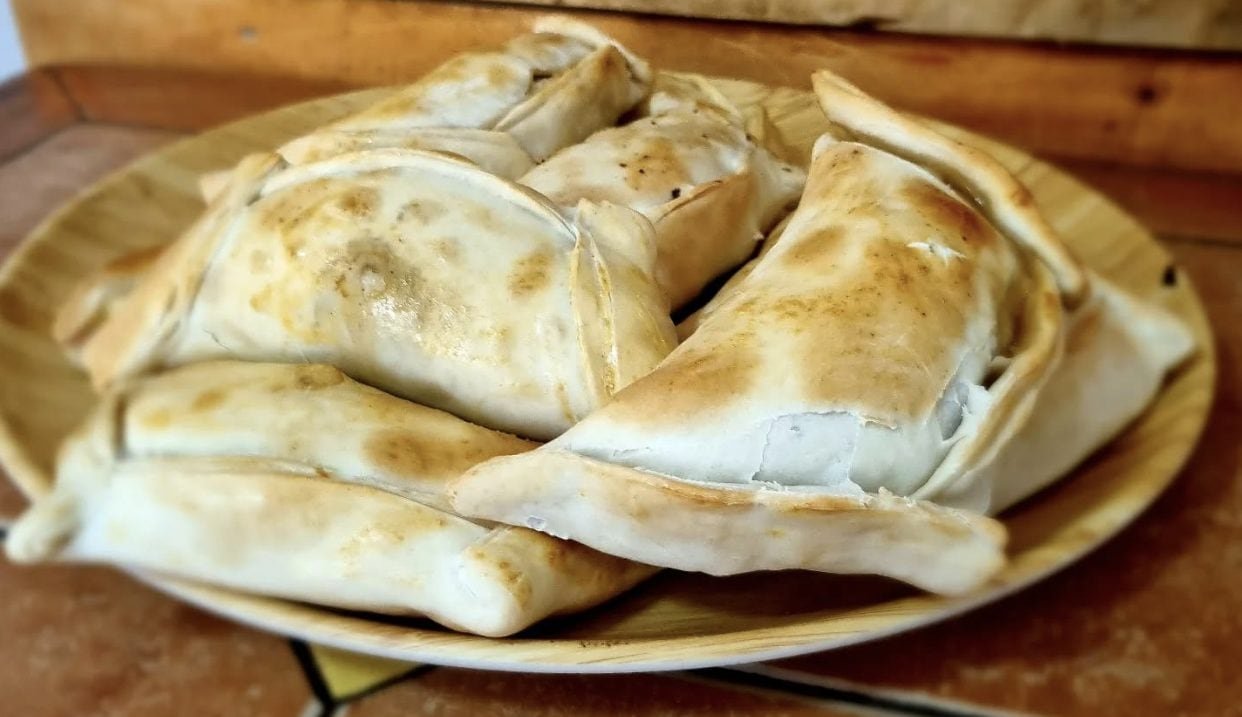
Pot, oven and grill cooking born from the crossing of the Mapuche and Andean pantry with the Spanish one: corn, beans, squash and chili with wheat, beef and pork. In Santiago it's eaten in the picadas of la Vega, in the soda fountains of downtown and at any family table on a Sunday.

Baked empanadasPastel de chocloCazuelaPorotos granadosCompleto

Centro HistóricoBarrio YungayBarrio BrasilPlaza ÑuñoaMercado Central, Vega Central

See the cuisine
Ecuadorian cuisine
América del Sur

Ecuador

Ecuadorian cuisine

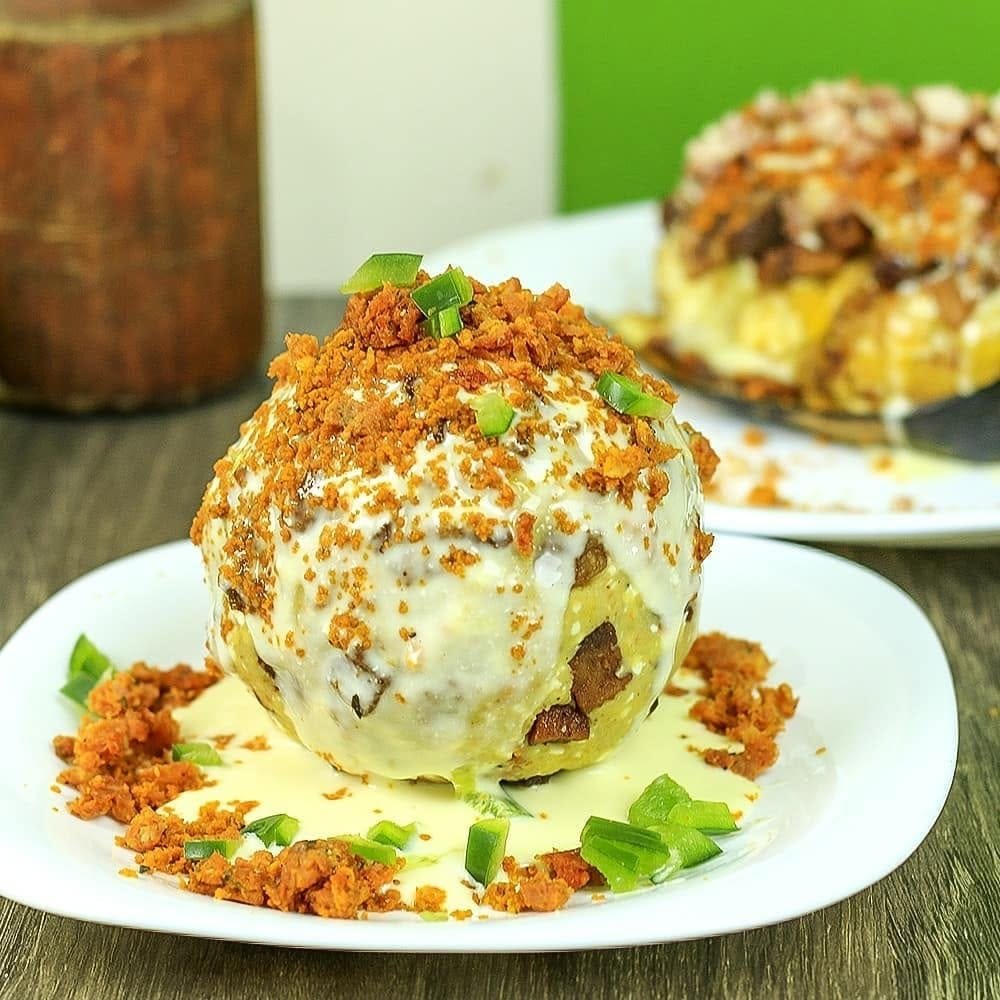
Coastal and highland cooking found downtown and in the markets: green plantain in all its forms, hangover broths and ceviches different from the Peruvian ones, served with canchita and chifles.

Bolón de verdeEncebolladoEcuadorian cevicheSeco de polloLlapingachos

Centro HistóricoBarrio RepúblicaVega Central, Independencia

See the cuisine
Keep discovering

Other Must-sees in Santiago

Less than two hours from Plaza de Armas.

Want to visit Santiago's food scene?

We build private departures and tailor-made programs to the destination for groups, delegations and agencies.