1
Restaurant to be confirmed
What to order: to be defined

Pot, oven and grill cooking born from the crossing of the Mapuche and Andean pantry with the Spanish one: corn, beans, squash and chili with wheat, beef and pork. In Santiago it's eaten in the picadas of la Vega, in the soda fountains of downtown and at any family table on a Sunday.
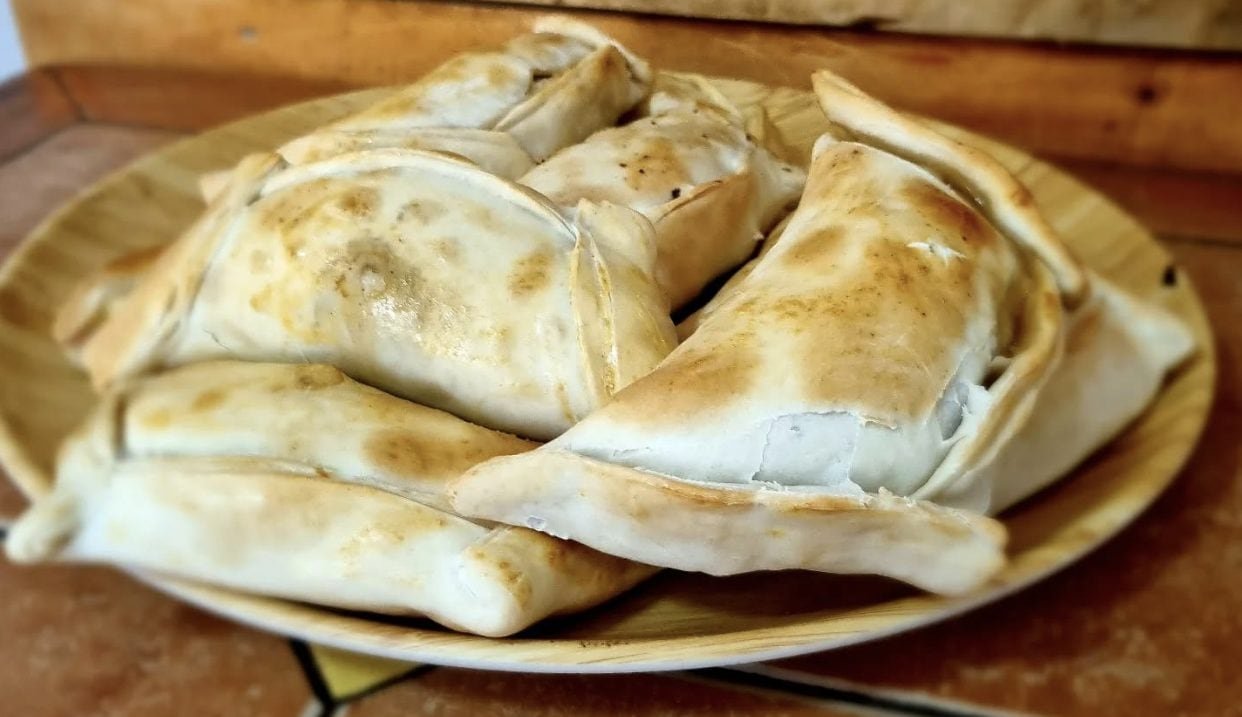
Chilean cuisine took shape in the family pot. Onto the Mapuche and Andean pantry —corn, potato, beans, squash, quinoa and chili— the colonial period added wheat, pork, beef and onion, and from that crossing came the dishes now considered timeless: cazuela, pastel de choclo, porotos granados and pino empanadas. During the 19th century the tables of Santiago's well-off families looked to France, while the cocinerías and fondas downtown kept the popular cooking served in the markets.
Today the Mercado Central and la Vega are still where that cuisine is eaten without frills: fish broths, fried fish, porotos con rienda and mote con huesillo on the street. The downtown soda fountains contribute the completo, the churrasco and the barros luco, and the restaurants of Lastarria, Bellavista and Barrio Italia reinterpret the same recipes with produce from the sea and the mountains. It is the cuisine worth trying first, because it explains all the others.
The first things to try from this cuisine in Santiago.
Six places to try this cuisine in the city.
What to order: to be defined
What to order: to be defined
What to order: to be defined
What to order: to be defined
What to order: to be defined
What to order: to be defined
You'll also find it in: Centro HistóricoBarrio YungayBarrio BrasilPlaza ÑuñoaMercado Central, Vega Central · Missing a place? Tell us
The migrant and long-standing cuisines that coexist in the city.
We'll tell you what to eat and in which neighborhoods to find each cuisine in the city.