 1
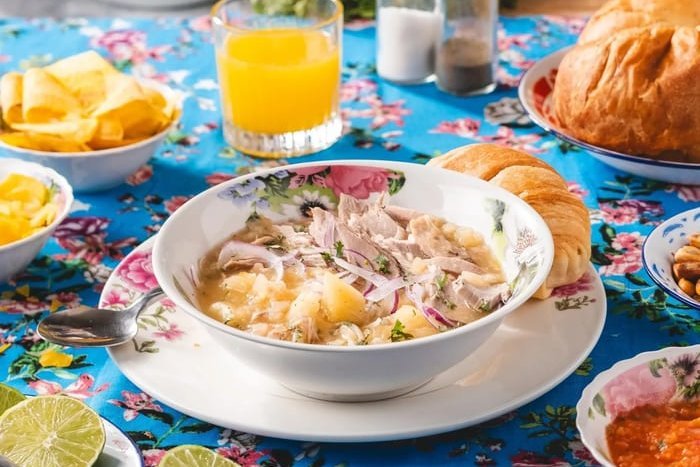
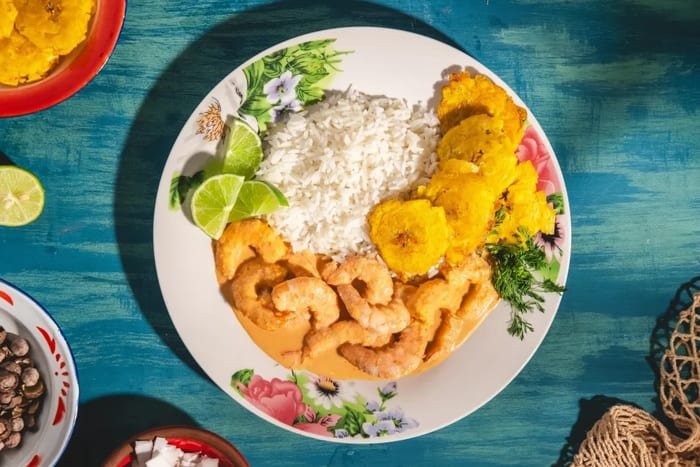
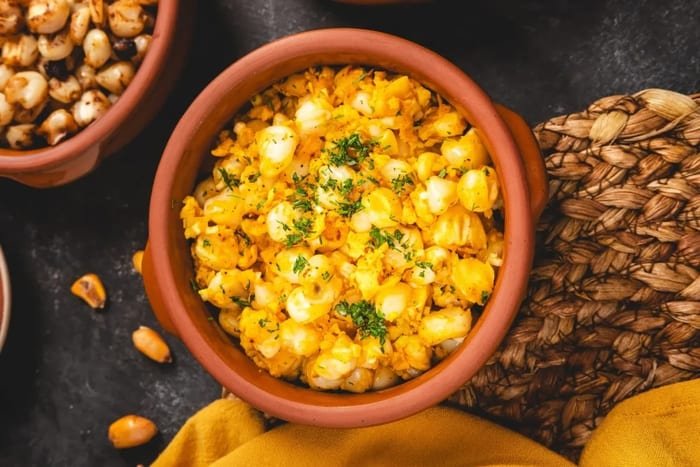
Coastal and highland cooking found downtown and in the markets: green plantain in all its forms, hangover broths and ceviches different from the Peruvian ones, served with canchita and chifles.
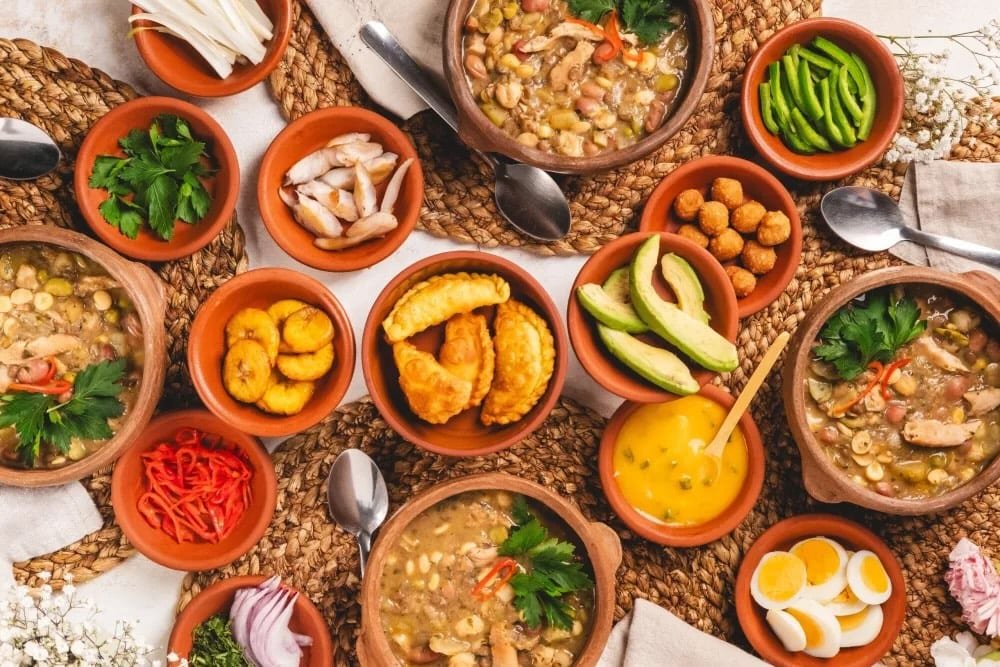
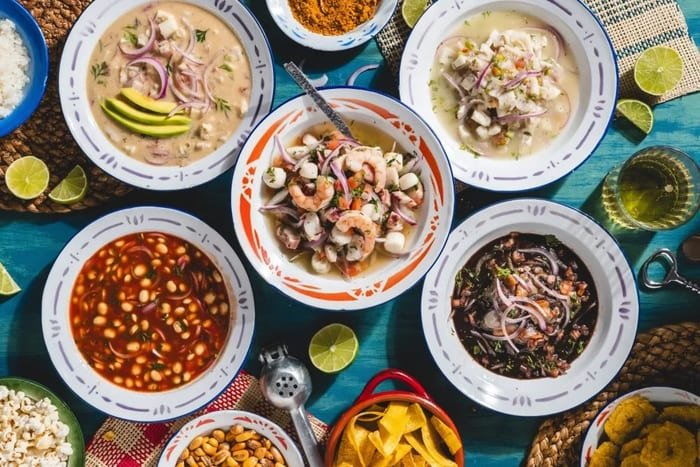
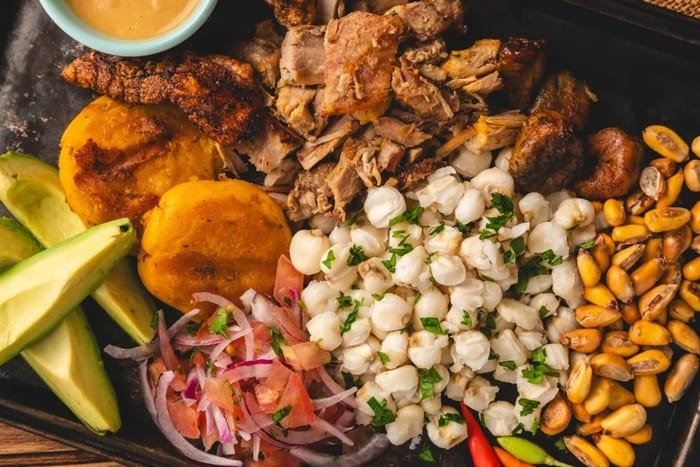
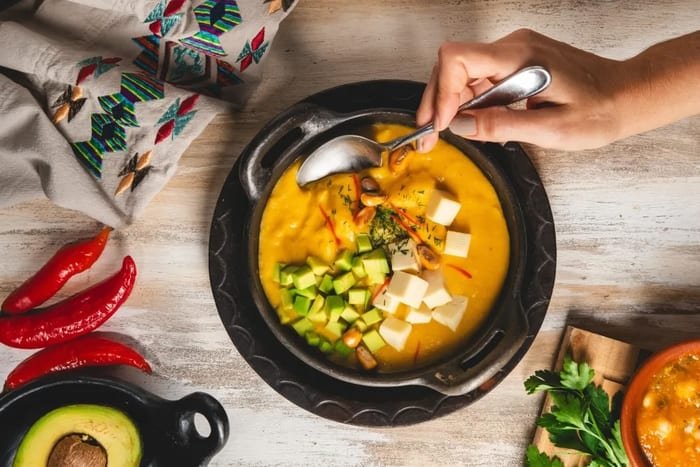
Ecuadorian cuisine grows out of the meeting of the Coast, the Andes, the Amazon and Galápagos, each with its own pantry and its own recipes. The Pacific gives encebollado, ceviche, encocado and bolón de verde; the highlands give locros, hornado, llapingachos and humitas; the Amazon gives maito, wrapped in a leaf. Ecuador is also known as «the country of a thousand soups»: there is no single recipe but dozens of broths that change from province to province and that are served at breakfast, lunch or dinner.
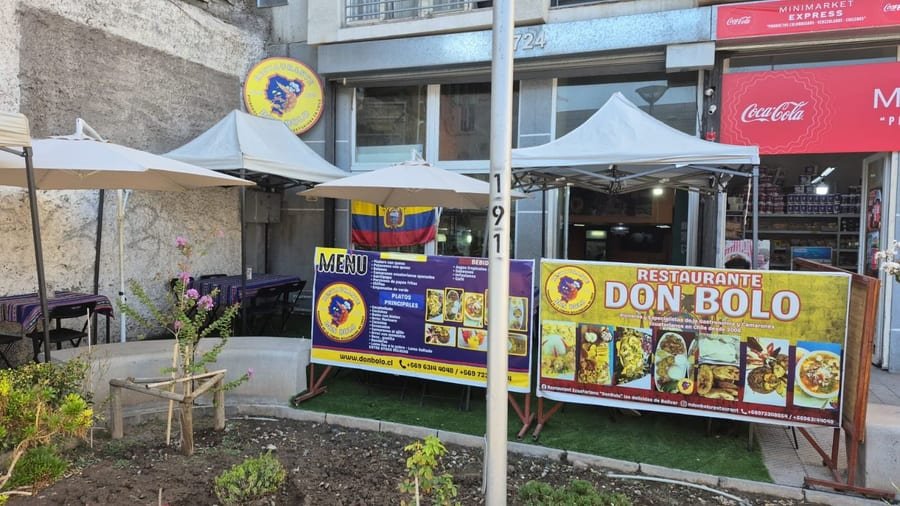
The Ecuadorian community settled in Santiago mostly over the last two decades, downtown, in Independencia and around Vega Central, where it finds the green plantain, peanuts and fish its cooking needs. The first places were lunch cocinerías and stalls at street markets, and from there the offer widened to restaurants with a full menu.
It is a cuisine of two worlds: the coast brings encebollado —a fish and yuca broth that cures any morning—, ceviches with tomato juice and green plantain in all its forms, from bolón to patacón; the highlands bring seco de pollo, llapingachos and hornado. In Santiago it is eaten with canchita and chifles on the table, and with fruit juices found nowhere else.
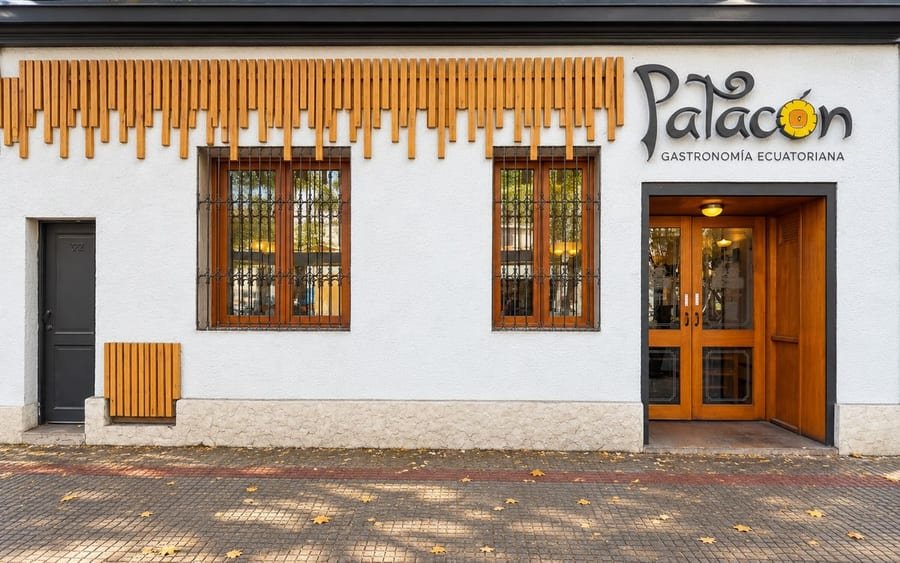
The Ecuadorian offer in Santiago is no longer just lunch cocinerías: there are restaurants with traditional cooking, a four-generation bakery —Crocante, in Las Condes— and a chocolate brand born from childhood memories —Kakao Chocolates. Each business arrived by a different road, but all of them keep the same relationship with the original products and recipes.
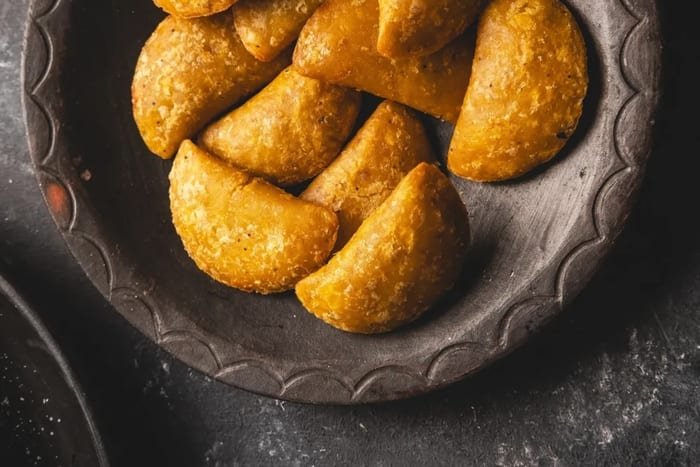
The first things to try from this cuisine in Santiago.
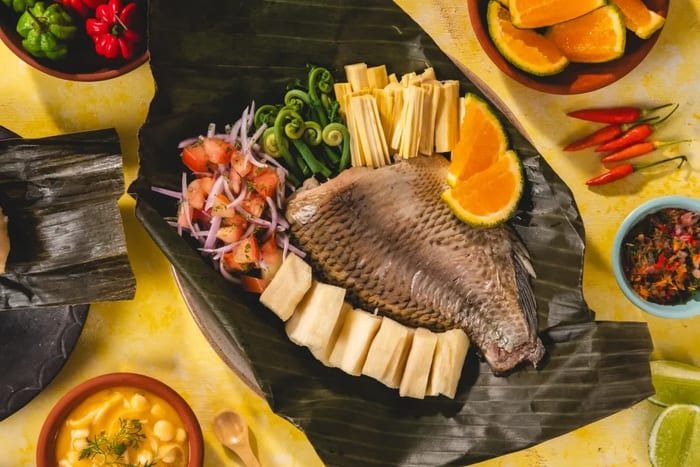
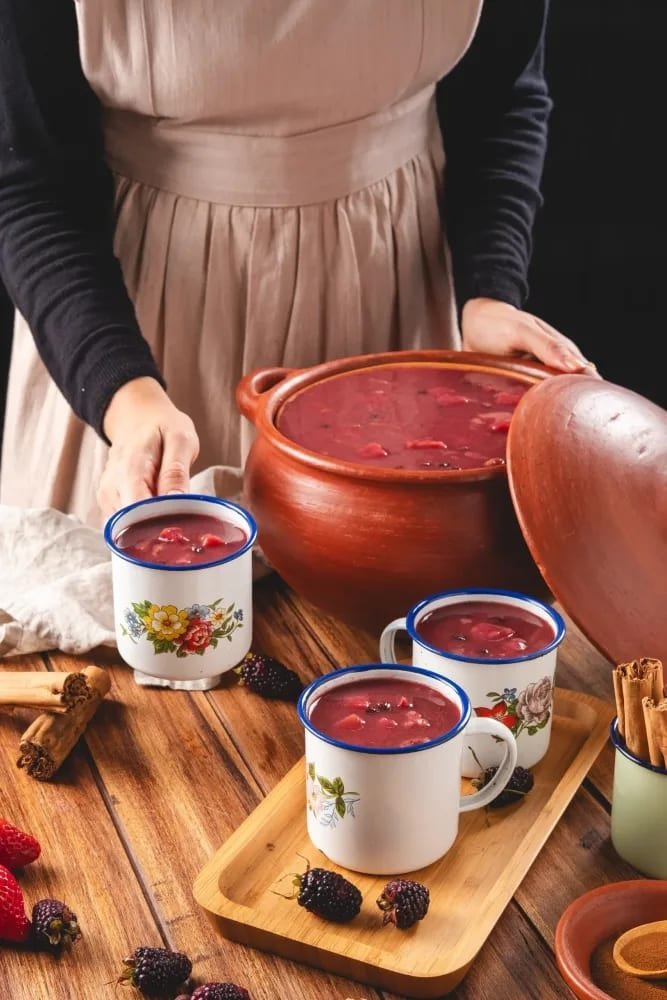
Colada morada and guaguas de pan are made in Ecuador for the Day of the Dead, a tradition with Andean roots that the colonial era intertwined with the Catholic observance: the earliest written records of colada morada date to the 16th century.
«Guagua» means child in Kichwa, a word Ecuador and Chile share. That coincidence is the origin of sharing the guagua de pan as the bread of brotherhood between the two countries.
Six places to try this cuisine in the city.
You'll also find it in: Centro HistóricoBarrio RepúblicaVega Central, Independencia · Missing a place? Tell us
The migrant and long-standing cuisines that coexist in the city.
We'll tell you what to eat and in which neighborhoods to find each cuisine in the city.
You decide what we measure
The cookies the site needs in order to work are always on. Measurement and advertising cookies, only if you accept them. See the Cookie Policy